










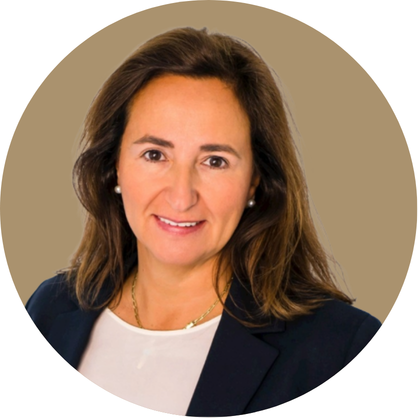
Author: Natalia Mochales, Chief Compliance Officer, Limak Holding
During my career as a compliance officer in various global companies and industries, one of the main challenges I have faced when implementing efficient compliance programs was ensuring everyone in the organization owns compliance. A common misconception I have often encountered – compliance is owned by the compliance organization – contributed significantly to this challenge.
Compliance programs will not be effective unless the organization successfully implements drastic cultural changes
In this blog, I explore the shift from siloed, reactive compliance to a collaborative, accountable, and proactive mindset.
Shared-and-Owned Compliance is a Win for Organizations
Departmental silos separate employees into individual groups, negatively impacting compliance effectiveness, risk management, cross-departmental collaboration, and employee morale.
Moving beyond organizational silos and tick-the-box exercises by embracing a shared-and-owned compliance approach can open the gates for exceptional organizational benefits.
Enhanced Risk Assessment and Management
Siloed information does not address risks and leaves blind spots. On the other hand, collaboration exposes potential risks promptly, allowing for swift intervention and mitigation actions, which helps minimize the risk and any subsequent damage. Breaking down departmental silos also offers a holistic view of the risk landscape.
Leveraging data from across the organization helps identify high-risk areas and allocate resources to mitigate them. If the company is operating with limited resources, cross-departmental collaboration might require diplomatic strategies and a clear business case. For instance, answering the question “What’s in it for me?” can encourage participation.
Improved Employee Engagement
To keep the right people in organizations, leaders need to focus on cultivating employee engagement more than ever. Shared-and-owned compliance is one of the various ways companies can achieve this.
Shared ownership fosters a proactive approach. When employees feel empowered to identify and report issues, they create a workplace culture of ethical behavior. This, in turn, helps them perform better, experience less burnout, and stay in organizations longer, according to a 2021 HBR report.
Breaking Down the Silos – The Future of Collaboration
Build Strong Bridges through Collaboration
Developing a culture of shared-and-owned compliance within an organization lays the foundation for ethical, responsible practices. Such a culture is not just about and meeting legal requirements; it requires fostering a shared mindset that values integrity, transparency, and accountability.
Communication from the top and middle management significantly affects the company culture. The search impact is even greater and only possible when the leaders are mindful of compliance while making business decisions. Business leaders speaking about the importance of conducting responsible and ethical business is a much more powerful approach than when the Compliance Officer speaks. It helps organizations set clear expectations for all employees, establish accessible reporting channels, and create a safe environment for them to speak up.
Focus on Cross-Functional Training
Training is one of the cornerstones of any effective shared-and-owned compliance program.
I have trained a number of organizations in accordance with the risk exposure of employees. In the past, a single online training session was all that was required for the entire organization.
But those days are over; today, training has to be customized depending on the audience and the type and level of risks they are facing. Interactive, effective, and adequate risk training is one of the most powerful tools compliance officers can equip employees with, helping them understand the importance of ownership and collaboration.
Additionally, encouraging ownership, initiative, and reporting through effective communication, recognition/reward programs, and safe reporting channels are also integral parts of shared-and-owned compliance training. In my experience, setting up recognition and reward programs for ethical behaviour can further help companies implement an effective program, especially when it is going through a cultural transformation. It is key!
Lead by Example
Leaders – at all levels – set the tone, define expectations, and shape the fabric of an organization’s ethical framework. Therefore, they must demonstrate to their teams how to build a shared-and-owned compliance culture, whether it is through developing channels for open communication or proactively being a part of a learning schedule.
To actively dismantle siloed thinking, leaders must encourage cross-functional collaboration and information sharing. This can be achieved by facilitating and conducting workshops and encouraging projects that require collaboration across departments.
Leverage Technology Within Organizations For Seamless Compliance
In today’s data-driven landscape, technology can transform compliance from an afterthought to a proactive risk-mitigating force. In fact, it is almost impossible to imagine an effective shared-and-owned compliance program without technological tools.
For instance, compliance officers no longer need to go to each department to understand the possibility of risk or to check the status and scope of a new regulation. With the right technology, each department can contribute to risk mitigation by ensuring end-to-end visibility.
Moreover, compliance management systems (CMS) can streamline processes, automate task allocation, remediation, and closure, and offer real-time compliance insights. This frees up resources for proactive action.
Finally, data analytics and risk assessment tools help organizations translate information into actionable intelligence, which enables them to identify and reduce potential compliance risks and regulatory pitfalls before they come into effect.
This shift from reactive to proactive shared-and-owned compliance, powered by technology, can nurture a culture of ethical awareness, empowering companies to navigate the ever-evolving regulatory landscape with confidence.
End Note
While compliance training is essential for all organizations, a traditionally siloed approach to compliance is detrimental to an effective shared-and-owned compliance program and organizational productivity.
In this blog, I have listed ways to cultivate a collaborative culture for shared-and-owned compliance. Shared accountability, a safe environment to speak up, open collaboration, and equipping departments with multidimensional skills are especially vital components of such a culture. Practical strategies to engage employees, foster transparency, and build cross-functional teams with a resilient ethical foundation are also important.
Author Bio
Natalia Mochales is a seasoned compliance and governance executive with over two decades of international experience spanning telecommunications, infrastructure, advertising, and mining. Currently serving as Chief Compliance Officer at Limak Group of Companies since 2025, she brings a proven track record of building and leading compliance frameworks across complex, multi-jurisdictional environments.
Prior to joining Limak, Natalia spent more than five years at Ericsson as Vice President and Head of Compliance for the Middle East and Africa, where she led the region’s compliance strategy, oversaw investigations and governance, and successfully steered the business through a four-year U.S. Department of Justice monitorship through to certification. Earlier in her career, she held compliance leadership roles at Holcim and Interpublic Group, managing programmes across over 30 countries in EMEA and Latin America.
Natalia holds a strong legal background and an Executive MBA, and is a member of the UK Institute of Directors. Fluent in five languages, she has also contributed as a professor in compliance certification programmes and has been recognised for her leadership in integrity and ethical culture. Her expertise spans regulatory risk management, ESG, corporate governance, anti-bribery and corruption, and cross-cultural team leadership.